If you own or manage a business as a grower in the horticulture industry, your website is your workhorse. While it does take some work to effectively set up a functional and informational grower website, you’ll be glad in the end that you spent the time to organize the essential information. So what pages do you need on your site? We recommend these 10 (and some can be combined):
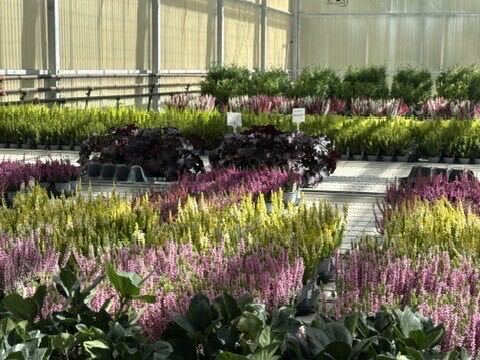
- A clear, strategic Home page: Sounds obvious, but it’s often overlooked or unclear. Your homepage should immediately answer three questions — what you grow, who you sell to, and why someone should choose you. Don’t make them hunt for this info or other pages. The other pages are to fill out that information with more detail.
Your homepage should also direct visitors to their next step, whether it’s creating an account, viewing availability, exploring products, or contacting the sales team.
- An About page: Here’s where you can add information that tells all about your business, not just the history of it (although that’s kind of fun, too). Include what makes your business different, what the company values are, the people behind the operation, the company’s experience and expertise, and what customers can expect when working with you.
Facts tell people who you are, but your story helps them remember you. And when they remember you? They are more apt to work with you.
- Products/Plant Catalogue page: Visitors may need to browse your products by plant type, variety, light requirements, zone, size, season, or new introductions. Don’t make them download an 80-page catalogue and thumb through it. Give them a way to search for what they’re looking for, making purchasing decisions easy.
- Availabilitiy page: This might be the single most important page on your grower website, because it answers the question, “What do you have right now, and how can I get it?” You could include current availability, upcoming availability, seasonal availability, downloadable lists, and links to your ordering system.
Remember, an outdated availability page is often worse than no availability page, so make sure that this is one that’s updated frequently/regularly.
- “Who We Serve” page: Growers often serve very different and specific markets like independent garden centers (IGCs), landscape contractors, retail chains, municipalities, and other wholesale businesses. You might even have a day that’s open to the public.
A page explaining who you serve helps website visitors quickly determine if you are the right supplier for them and their needs. You don’t have to serve everyone, and your website shouldn’t make it look like you do — but it should very clearly state who you do serve.
- Services or Capabilities page: Do you offer anything beyond selling plants? This is the page to highlight that! You could include services like custom growing, contract growing, private labeling, delivery, plant sourcing, merchandising support, and sales support.
This is an opportunity to highlight services that your competitors may not offer.
- Contact Us page: While this may sound obvious, you might be surprised at how many websites make contacting the business excruciatingly difficult. So include relevant information like phone number, email, physical address, location, contact form, hours of operation, sales rep info, and links to ordering or account info.
Don’t create unnecessary steps between customer interest and contact, because every time you do that, you create an opportunity to lose a customer.
- A Team page: This page can easily be combined with your “About” page, but if you’d like to separate them out, the Team page is a great way to do that. Showing the people behind the scenes builds trust and makes the company feel more approachable. Include your main leadership, sales representatives, growing experts, and customer service contacts.
You don’t need to list every employee, in fact, we recommend that you don’t. Focus instead on the people that your customers are most likely to interact with on the regular.
- Resources or Educational Content page: This page might be optional if you don’t intend to offer resources like growing guides, care information, downloadable catalogues, blog articles, retail merchandising tips, or FAQs. Again, it depends upon who your target buyer is, and that will determine if you want or need to add this additional information to your site.
But remember, this type of content helps establish your expertise and gives people a reason to return to your website (love increasing traffic!).
- How to Work with Us page: This may be a very overlooked page, as we tend to assume visitors know and understand whether you’re retail or wholesale, what your minimum order requirements are, how to establish an account, and what your delivery areas are.
The bottom line is that if someone is interested enough to wonder how to buy from you, your website should answer that question immediately and clearly.
If you’re starting from scratch or sorely need to update your company’s website and don’t know where to start, schedule a free 15-minute call with Katie to talk about it! We have a team waiting to get you going.